
Dogs deserve better clinton county, and we can get there with your help.
This website is dedicated to “Daisy” the 11 1/2 year old Husky who spent her entire life on a chain in the middle of a field, in Mooers New York. She died on that chain the first hot week of the summer in June 2024. We will continue to fight, especially for dogs like Daisy.
stop 24/7 Dog Tethering, & TETHERING IN EXTREME WEATHER, in clinton county, NY.


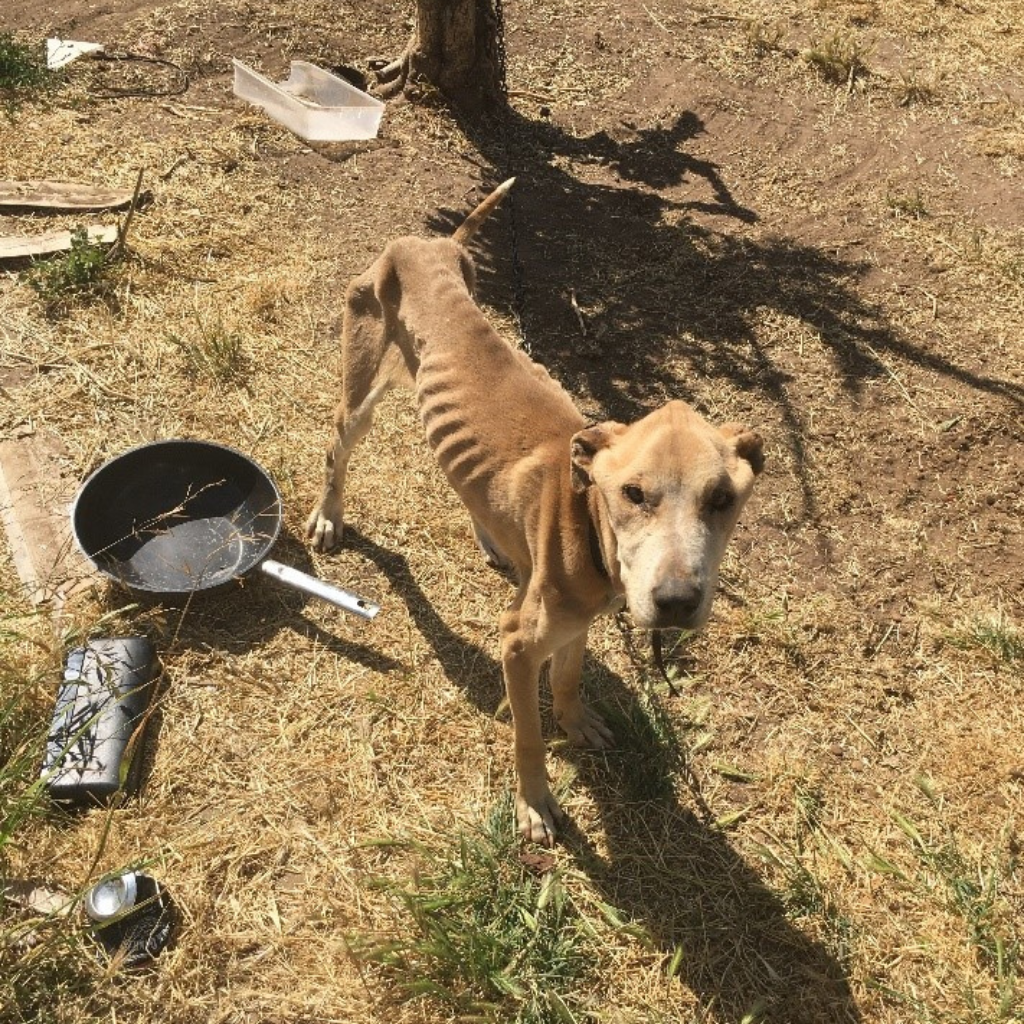


Welcome to the Clinton County New York Dog Tethering Law Campaign website.
Our goal is to stop 24/7 dog tethering, as well as tethering in extreme hot and cold weather in Clinton County New York. We are fighting for local laws, and creating awareness, and most importantly we are educating the public on the proper care of their dogs.
We have been fighting since November 2023 to stop the 24/7 tethering of dogs in Clinton County, as well as tethering in extreme weather. We have been fighting for 2-years now! We have faced incredible resistance at the County Level, and most recently the entire Clinton County Republican Committee has made sure we do not succeed- all because we have fought back against the legislators who played games with us. It’s as if they expected us to just quit and go away, and because we didn’t… well that just makes them more upset!
Since we started, the entire county has been denied a pubic hearing on the proposed law (twice), after filling the legislature chambers several times. The county legislature has banned the entire county from speaking on a dog tethering law in any regular session legislature meeting. We can’t even address the legislature on the topic! Mark Henry, the Chairman of the Clinton County Legislature broke the state’s Open Meeting Laws 3-times when he would not allow us to speak on even an unrelated topic in 3-back to back legislature meetings. Members of the Clinton County Legislature told us to go town to town, but many of them have ensured we do not succeed at the town level either.
Facts: Long term dog tethering can lead to severe neglect. The current New York Agriculture and Markets law is only concerned that dogs have food, shelter, and water. After that, a dog can be left chained outside indefinitely, and spend its entire life on a chain.
Dogs kept outside 24/7, whether chained or penned, can suffer from hypothermia and frostbite in the winter; heat stroke, fly strike, and flea, tick, and mosquito infestations in the summer; and dehydration, malnutrition, internal parasites, injuries, and various illnesses all year round. Chained dogs especially are at risk of attack by other animals and even cruel people. Dogs kept chained are also prone to painful embedded collars and death by hanging when tethers becomes tangled or caught on something like a fence, porch railing, or vegetation in their living area. Since dogs are social animals, they also suffer from the stress and trauma of intense confinement and isolation.
Leaving dogs chained or tethered for long periods of time can also pose a public safety threat. This is because such confinement can significantly impact a dog’s behavior and potentially lead to aggression and increased bite risk.
Why are chained dogs more likely to be aggressive?
- Lack of socialization: Dogs are social animals, and prolonged isolation on a chain can prevent them from developing normal social skills and confidence around other people and animals.
- Fear and frustration: Tethered dogs are confined and unable to escape perceived threats or uncomfortable situations, leading to increased anxiety, frustration, and potential aggression as a defense mechanism.
- Increased territoriality: Chained dogs may become territorial over their limited space, exhibiting aggression towards anyone who approaches.
Evidence supporting the link between tethering and aggression:
- Higher bite risk: Studies show that tethered dogs are statistically more likely to bite than their untethered counterparts. For instance, one study found that chained dogs were 2.8 times more likely to attack than dogs who were not tethered.
- Fatal attacks: A significant portion of fatal dog attacks involve dogs who were tethered or chained.
Vulnerability of children:
- Children are particularly vulnerable to attacks by chained dogs because they may not recognize or understand the dog’s warning signals.
The importance of addressing dog chaining:
Recognizing the public safety risks associated with chaining dogs is leading to increased awareness and the development of anti-tethering laws in many communities. These laws often aim to:
- Restrict the duration of tethering.
- Establish minimum standards for tether length and weight.
- Require adequate access to shelter, food, and water.
In summary, tethering dogs for extended periods can contribute to behavioral issues and increase the likelihood of aggression, posing a threat to public safety. Tethering laws are being implemented to protect both dogs and communities by addressing these risks.
 Clinton County New York Dog Tethering Law Campaign